-->
(702) 600-6840

How Landscaping Impacts Pool Design, Cost, and Layout

Homeowners typically spend weeks debating pool shapes, tile finishes, and water features. The yard itself rarely gets the same attention until construction is already underway. By then, surprises like poor drainage, unworkable grades, or access problems for heavy equipment can push costs higher and stretch timelines. 

According to Nancy Somerville, CEO of the American Society of Landscape Architects, sustainable residential landscape architecture, when part of a broader integrated site design, can dramatically reduce water usage and stormwater runoff over the long term while creating a healthier residential environment. That holds true for pool builds in particular. How the yard is planned from the beginning has a direct bearing on final cost, schedule, and the quality of the finished outdoor space.

Why Backyard Integration Matters in Pool Projects

Pool design does not happen in a vacuum. Every yard brings its own set of variables: slope, drainage patterns, soil type, existing vegetation, and access constraints. When landscaping is treated as a separate phase rather than part of the original plan, contractors end up working around each other’s decisions instead of coordinating from the start. The outcome is predictable. Layouts get compromised, costs climb when conditions were not anticipated, and the finished yard reflects two different visions rather than one.

Bringing both disciplines into the same planning process changes that. Drainage can be routed before the shell goes in. Grading gets tied to deck elevations from the beginning. Material choices account for the full yard, not just the pool perimeter.

How Landscaping Impacts Pool Layout and Design

Yard conditions drive pool placement in ways that are easy to underestimate.

Yard Slope and Elevation

On a sloped lot, the pool layout has to account for retaining wall placement, excavation starting points, and whether decking can meet pool coping at a consistent level. Significant grade changes sometimes call for terracing or a raised bond beam, both of which affect cost and appearance.

Existing Plants and Root Systems

Tree removal or layout adjustments are sometimes necessary before a pool can go where a homeowner originally envisioned. Root systems left in place near the shell and plumbing tend to cause structural issues over time, so the proximity of large trees needs to be part of the site assessment.

Sightlines, Shade, and Privacy

Where the pool faces matters. A layout that ignores afternoon sun angles, wind patterns, or neighbors’ sightlines can make a pool uncomfortable to use during the hours it would otherwise get the most use. Resolving orientation before permits are pulled is far simpler than adjusting afterward.

Equipment Access During Construction

Narrow gates and tight side yards can force excavation crews into hand-digging or relay work. Both add time and labor. Flagging those constraints during the design phase gives crews a chance to plan around them rather than react to them on the job.

How Landscaping Affects Pool Construction Costs

Site and landscape conditions drive pool construction costs in ways that are not always visible at the bidding stage. The table below captures the most common variables.

Cost FactorWhat It InvolvesWhy It Matters
Grading and excavationFill import, compaction, engineered grading plansSloped or unstable soil adds cost before pool work begins
Retaining walls and drainageStructural walls, drainage channels, French drainsRequired on uneven lots to protect the pool shell and property
Hardscape square footageDecking, pavers, concrete surrounding the poolMore coverage means more material and labor; scope ties directly to yard layout
Phased vs. integrated buildsPool first, landscape later vs. both scoped togetherSeparate phases often cost more due to limited contractor flexibility

When the full scope is planned and bid as a single project, there are fewer unknowns to absorb mid-construction.

Pool, Hardscape, and Landscape Features to Plan Together

Some backyard features are difficult to add after a pool is already built. Planning for them from the beginning avoids costly retrofits and keeps the finished yard from looking piecemeal.

  • Decking, patios, and walkways need to connect to the pool edge at the correct grade so water drains away from the structure rather than pooling against it.
  • Outdoor kitchens and seating areas require gas, electrical, and plumbing rough-ins; running those lines during the original build costs a fraction of what trenching and re-landscaping adds later.
  • Lighting and irrigation are best coordinated early so landscape lighting ties into pool lighting zones and irrigation lines do not run through planned patio footprints.
  • Plant selection directly affects maintenance load; species chosen without regard to water chemistry or root behavior near the shell create ongoing problems that are easier to prevent than fix.

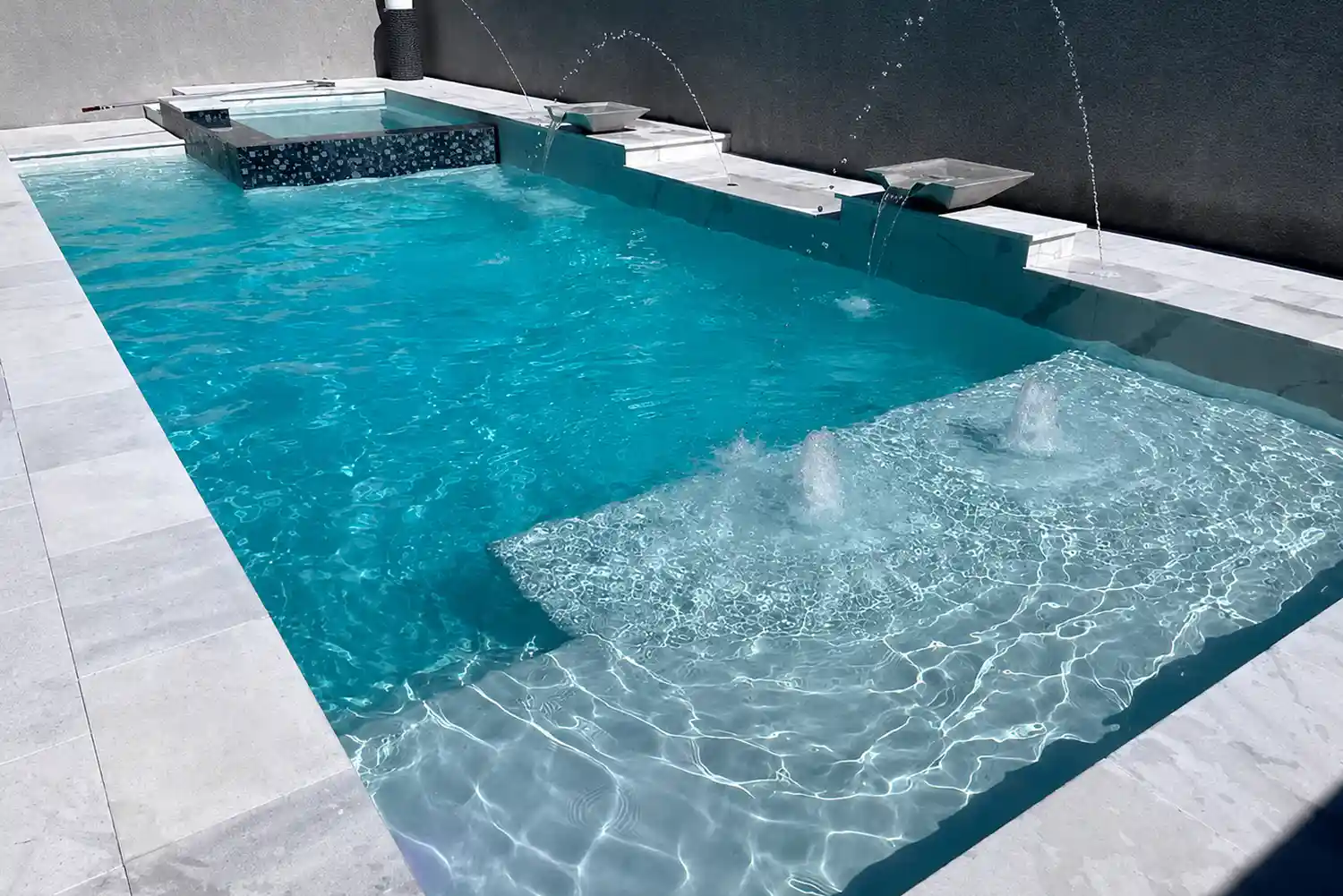
To see how these elements come together in finished Las Vegas backyards, browse completed projects in the Crystal Cove Pool & Spa gallery.

Can In-House Landscaping Reduce Delays and Rework?

Split-contractor projects create gaps. The pool crew wraps up, the landscape crew is not available for another few weeks, and the yard sits torn up in between. When something needs to change mid-project, no single contractor owns the full picture, and sorting out who adjusts what slows the job down.

Crystal Cove Pool & Spa holds both a pool contractor license and an in-house landscaping license (C-10). Pool and landscape work run on one schedule, with one point of contact managing both trades from start to finish. Clients regularly complete full pool and backyard projects in two to three months. That compares to six to eight months with builders who rely on separate subcontractors.

For homeowners planning a full backyard build, pool financing options are available to scope the entire project at once rather than phasing it over time.

What Las Vegas Homeowners Are Saying

Clients who have built with Crystal Cove on full backyard projects consistently point to the process itself as a standout part of the experience.

“My backyard dreams came true! I’ve spent almost all of my free time in my backyard since this project was complete.” – Kaylin H., Yelp Review

“They built our pool/spa in literally 2 months. No hiccups. No missed deadlines. Great communication.” – Chris W., Yelp Review

Results vary based on yard size, site conditions, and project scope.

Build Your Las Vegas Pool and Landscape as One Project

Las Vegas yards present a specific set of challenges: caliche soil, intense summer heat, and water constraints that reward thoughtful planning. Getting drainage, shade, and plant selection right from the start determines how usable and how low-maintenance the finished backyard actually is.Crystal Cove Pool & Spa handles pool and complete backyard construction for Las Vegas homeowners, managing design through final landscaping under one roof. Contact Crystal Cove Pool & Spa to schedule a backyard design consultation or get a quote to start planning your pool and landscape together.

What Goes Into a Turnkey Pool Build? A Step-by-Step Homeowner Guide

According to GreatBuildz, project delays or contractors not performing as promised are two major reasons that more than 50 percent of homeowners report having a negative experience with their remodel or complain about a contractor.

Pool construction involves more moving parts than most homeowners realize. Coordinating designers, excavators, landscapers and inspectors separately becomes overwhelming fast. This guide explains what a turnkey pool build includes and why having one company manage everything can reduce delays and stress.

What Does Turnkey Pool Construction Mean?

One company handles your entire pool project from start to finish. Design, engineering, permitting, excavation and construction fall under a single contract. Landscaping and backyard integration come standard, giving you a complete outdoor space instead of just a pool surrounded by dirt.

You get a single point of accountability for timelines and quality. Problems don’t require detective work to figure out which contractor is responsible. One phone call handles it.

Step 1: Design, Engineering and Planning

Site evaluation and backyard measurements start the process. A design team looks at your property’s layout, drainage patterns and soil conditions. They determine what fits your space and budget.

Some homeowners want completely original pool shapes and features. Others prefer proven designs adapted to their yard. Both need structural engineering and layout approval to confirm the design meets safety standards and code requirements. 3-D modeling technology lets you see the finished project before construction starts.

Planning thoroughly upfront prevents expensive mid-project changes. Getting the design right before breaking ground saves money and frustration.

Step 2: Permits and Local Approvals

City and county permitting requirements differ by location. Las Vegas projects need building permits, electrical permits and possibly gas permits for heaters or fire features. The process means submitting engineered plans, paying fees and scheduling inspections throughout construction.

HOA and neighborhood rules add complications. Many Las Vegas communities dictate pool placement, fencing and even acceptable colors for decking and coping. Experienced builders already know these requirements and prevent costly redesigns.

Builders who regularly work with the same city inspectors and HOA boards understand exactly what documentation passes review. Homeowners managing permits themselves face delays from missing forms or incomplete submissions.

Missing engineer stamps, incomplete site plans and incorrect setback measurements cause the most common delays. A turnkey contractor handles these details without requiring you to learn permitting procedures.

Step 3: Excavation and Structural Construction

Site Preparation and Excavation

Heavy equipment digs the hole according to engineered plans. Las Vegas soil conditions range from caliche hardpan to sandy desert soil. The specific conditions affect excavation methods and costs.

Steel and Plumbing Installation

Rebar cages go in after excavation to provide structural support. Plumbing lines get positioned for returns, drains and equipment connections. Precision matters because fixes after concrete is poured become difficult and expensive.

Pool Shell Application

Shotcrete or gunite sprayed at high pressure over the steel framework forms the pool shell. This creates a durable, watertight structure. Sequencing must be right:

  • Excavation crews damaging plumbing lines creates problems during concrete work
  • Improperly tied steel compromises structural integrity
  • Excavation and concrete timing requires careful management

Step 4: Finishes, Decking and Landscaping

Interior Pool Finishes

Tile, coping and interior finishes turn the concrete shell into a pool. Waterline tile prevents staining and looks good. Coping gives you a finished edge and something to grip in the water. Plaster, pebble or quartz finishes create the surface you’ll see and touch.

Outdoor Living Spaces

Decking, hardscape and outdoor features finish the backyard transformation:

  • Travertine pavers or stamped concrete for decking
  • Built-in seating
  • Outdoor kitchens or barbecue stations
  • Fire features or water elements

Landscape integration matters most during the decking phase for a cohesive design. The same company handling pool construction and landscaping eliminates waiting for separate contractors. Timelines stay on track. Design flows from pool to plantings to hardscape without gaps.

Step 5: Final Inspection and Pool Startup

City inspections confirm everything meets code. Inspectors check electrical work, safety barriers and structural integrity before approving the project.

Equipment testing and water balancing prepare the pool for swimming. Pumps, filters, heaters and automation systems get tested. Water chemistry is balanced to protect the new finish and keep swimming safe.

A homeowner walkthrough covers what you need to know about your new pool. The builder explains equipment operation, water chemistry maintenance and common troubleshooting.

You’re done with construction. After months of planning and building, your backyard pool is ready.

What Customers Are Saying About Turnkey Pool Builds

Fewer surprises and clearer timelines matter most when one company runs everything. Crystal Cove Pool & Spa customers mention communication as a key benefit. One project manager coordinates all the work instead of homeowners tracking down multiple contractors.

Timelines depend on scope and approvals. Basic pools with standard finishes might finish in a few months. Complex designs with extensive landscaping take longer.

Where to Get Turnkey Pool Construction in Las Vegas

Local expertise makes permits and inspections simpler. Builders familiar with Clark County requirements and local HOA standards move projects through approvals faster than out-of-area contractors.

A single team managing everything reduces coordination headaches from juggling multiple vendors. Your finished backyard works as a complete outdoor living space. View completed projects to see what’s possible with a turnkey approach.

Start Your Turnkey Pool Project

Crystal Cove Pool & Spa manages every phase of pool construction. Initial design through final landscaping. Dual licensing for pool construction and landscape work means a cohesive backyard without coordinating separate contractors.Schedule a consultation to review timeline and scope for your property. We’ll explain what a turnkey pool project looks like for your backyard and answer questions about permits, design options and construction schedules. Get started with a fully managed pool construction plan.

Custom Pool Design vs Pre-Designed Pools: Which Is Right for Your Backyard?

According to the Pool & Hot Tub Alliance, custom-designed pools increase homeowner satisfaction and long-term property value when the layout is tailored to the home and lifestyle rather than a standard template.

Many homeowners face a tough choice between custom and pre-designed pools. Design decisions impact cost, timelines and value in ways that aren’t always obvious upfront. This guide breaks down the differences so you can pick the option that fits your backyard, budget and lifestyle.

What Is a Custom Pool Design?

A custom pool design means building a layout around your specific backyard dimensions, shape and elevation. You work directly with builders to plan personalized features like spas, water features, lighting and finishes that match your home’s architecture.

The flexibility here matters. Irregular lot sizes, sun exposure patterns and existing landscape elements all get factored into the design. Crystal Cove Pool & Spa uses 3D modeling technology so you can see the final result before construction starts.

You can go with freeform shapes that have organic curves, or choose geometric precision with clean lines. Properties with slopes, unusual dimensions or strict HOA requirements benefit most from this tailored approach.

What Are Pre-Designed or Template Pool Options?

Pre-designed pools come with standardized shapes and dimensions built for typical rectangular backyards. You get limited customization options, and they’re usually pitched as faster or cheaper upfront.

These templates work fine for simple, open layouts that don’t need much grading. But yards with irregular features or tight spaces that don’t match standard dimensions will need adjustments. Permits and site prep work still apply no matter which design route you take.

Templates cut down design time, but you lose flexibility on size adjustments and where features go. Problems pop up when utility lines, property boundaries or existing structures get in the way of standard pool placement.

How Design Choice Impacts Cost and Budget Planning

Custom designs cost more at the start, but they address site challenges during planning instead of mid-construction. You avoid expensive modifications down the road.

Pre-designed pools look cheaper on paper, but site adjustments can drive up the real cost. Grading work, drainage solutions and hardscape integration all add to your final bill.

Getting the full project scope figured out early prevents surprise expenses. Companies with both pool and landscape licenses give you more accurate estimates because one contractor handles everything from start to finish.

How Pool Design Affects Build Timelines

Custom pools need more planning and approvals upfront, but solid designs stop mid-project changes that cause delays. Crystal Cove Pool & Spa finishes projects in two to three months versus the typical six to eight months through fast permit processing and integrated excavation services.

Pre-designed pools can still get held up if your yard doesn’t fit the template perfectly. Site conditions you didn’t anticipate often mean modifications that push back your timeline.

Turnkey builders handle design, permitting, excavation, construction and landscaping under one roof. That eliminates scheduling headaches between multiple contractors.

Which Pool Design Option Works Best for Las Vegas Backyards?

Las Vegas properties come with particular challenges. Irregular lot sizes and HOA rules often make custom designs the smarter choice since you can meet architectural standards from day one.

Desert landscaping matters for both function and water conservation. Custom designs let you place plants strategically and pick hardscape materials that work with the desert environment instead of fighting it.

Sun and wind dictate how usable your pool actually is. A custom approach looks at your backyard’s orientation to maximize shade when temperatures peak and keep debris from piling up.

Resale value and long-term outdoor living usually justify spending more on custom work. Pools that flow into covered patios and outdoor kitchens create unified spaces that buyers want.

What Customers Are Saying About Custom Pool Design

Homeowners who go custom consistently report higher satisfaction with pools that actually fit how they live and use their yard. Reviews point to personalized results that look like they belong there instead of being dropped in as an afterthought.

Crystal Cove Pool & Spa customers talk about how much 3D modeling helped them picture the finished project. The technology cuts uncertainty and lets you adjust features before digging starts, which means fewer changes once construction begins.

Results vary depending on what each homeowner wants. People who care more about long-term satisfaction than getting it done fast tend to appreciate the custom design process more.

Where to Get Custom Pool Design in Las Vegas

Local builders know Southern Nevada’s zoning regulations, permit requirements and soil conditions. That knowledge helps you make the most of your backyard space without running into construction delays.

Crystal Cove Pool & Spa holds Nevada contractor licenses for pool construction and landscape work. One company manages everything from design through final landscaping, so you don’t juggle multiple contractors.

Las Vegas builders with real experience anticipate regional challenges like caliche soil and extreme seasonal temperatures. Local expertise streamlines construction and keeps excavation surprises from wrecking your budget.

Ready to Design Your Custom Pool?

Start with a design consultation that looks at layout options for your property. Crystal Cove Pool & Spa creates 3D models so you can see how different features and configurations will actually look in your backyard.

Schedule a meeting to talk through your goals, timeline and budget. The design process starts with understanding how your family plans to use the space and which features matter most.

Get a quote to learn more about custom pool design options that fit your backyard and lifestyle. Contact Crystal Cove Pool & Spa to begin planning your outdoor living space with a builder who manages every phase of construction.

How Long Does It Really Take to Build a Custom Pool in Las Vegas?

According to industry data from HomeAdvisor, the average in-ground pool construction timeline ranges from eight to 12 weeks. But delays commonly extend projects to six months or longer depending on permits, contractors and scope.

Many Las Vegas homeowners get told a pool will be done quickly. Then they wait months while permits drag on, subcontractors reschedule or project coordination falls apart. The desert climate and local building requirements create challenges that catch people off guard.

This guide breaks down what determines pool build timelines in Las Vegas, which steps eat up the most time and how to avoid delays before you pick a builder.

How Long Does It Take to Build a Custom Pool in Las Vegas?

Most custom pool projects take two to six months. The actual timeline depends on several factors tied to your specific project.

Design complexity matters. So do permitting requirements and how well your contractor coordinates different phases. A simple rectangular pool moves faster than a freeform design loaded with spas, waterfalls and custom lighting.

Las Vegas regulations throw their own curveballs. Clark County permits, rocky desert soil and HOA design reviews add weeks that homeowners rarely expect upfront.

What Are the Main Phases of Custom Pool Construction?

Design and engineering approval comes first. Your builder evaluates the site, develops 3D designs and plans the structural work for your property’s conditions. Get this right and you avoid expensive changes once crews start digging.

Permitting and city approvals happen next. Clark County and local municipalities usually take two to four weeks to review complete applications. Submit something incomplete and you can double that wait.

Excavation and steel installation start once permits clear. Las Vegas soil throws challenges at crews. Caliche layers and rocky ground slow things down. The rebar work done now creates the structural foundation your pool needs.

Plumbing, electrical and shotcrete demand tight coordination between trades. This phase builds your pool shell and gets mechanical systems in place. Shotcrete needs days to cure before anyone can move to the next step.

Why Do Pool Projects Often Take Longer Than Expected?

Permit delays top the list. Missing documents or plans that need revisions add weeks before a single shovel hits dirt.

Hiring multiple contractors creates its own problems. Your excavation crew, plumbers, electricians and landscapers all work on their own schedules. One delay cascades into the next as everyone waits their turn.

Changes mid-construction restart parts of the permitting process. That small tweak you thought was simple can push your completion date back by weeks. Material shortages hit too, especially when suppliers or subcontractors run into their own problems. And if your builder doesn’t communicate well, you’re left guessing whether things are on track.

How Pool Design Choices Affect Your Build Timeline

Geometric pools move faster than freeform designs. Rectangles and basic shapes mean simpler excavation and standard forms crews know how to handle.

Spas, water features and lighting systems slow things down. Every add-on needs its own plumbing, electrical circuits and specialized installation work.

Planning your landscaping and hardscape together makes sense. You get better results coordinating pool decking with outdoor kitchens and fire features upfront. Lock in your design decisions early and crews can work straight through without stopping for your approval every few days.

Can Turnkey Pool Builders Reduce Construction Time?

Having one company handle design, excavation, landscaping and construction cuts out coordination headaches. You’re not juggling multiple contractors who all work on different timelines.

Fewer handoffs mean fewer scheduling gaps. One team moving from excavation to final inspection keeps work flowing.

You get one point of contact who knows your project inside and out. No more tracking down which contractor is responsible for what. Updates come from people who’ve been there since day one.

What Customers Are Saying About Pool Build Timelines

Homeowners talk about communication and scheduling more than anything else in their pool construction reviews. The projects that finish on time usually have builders who send regular updates and set realistic expectations.

Good reviews mention clear timelines and consistent check-ins. When builders get ahead of potential delays, homeowners stay calm and trust the process.

Every project runs on its own clock. One pool might take three months while another needs five. Site conditions, design complexity and how fast permits move all play a role.

Where to Get Custom Pool Construction in Las Vegas

Local builders who know Las Vegas permitting and soil conditions save you time. National companies or out-of-area contractors don’t have the connections or knowledge to dodge common Southern Nevada problems.

Experience with local systems matters. Vegas builders know which designs trigger longer permit reviews and how desert soil affects dig schedules.

Find custom pool construction in Las Vegas through experienced, licensed professionals who manage every phase.

Ready to Start Your Pool Project?

Schedule a consultation to talk through your backyard and timeline expectations with Crystal Cove Pool & Spa.

Check out recent custom pool projects on our website. You’ll see the quality and craftsmanship that goes into every installation.Get started with a clear construction plan and realistic timeline that matches your schedule and budget.

  • @CrystalCovePool
  • Crystal Cove Pool & Spa
  • @crystalcovepools
Image Notification

View More